How Much an Allotment Costs, and How to Get One
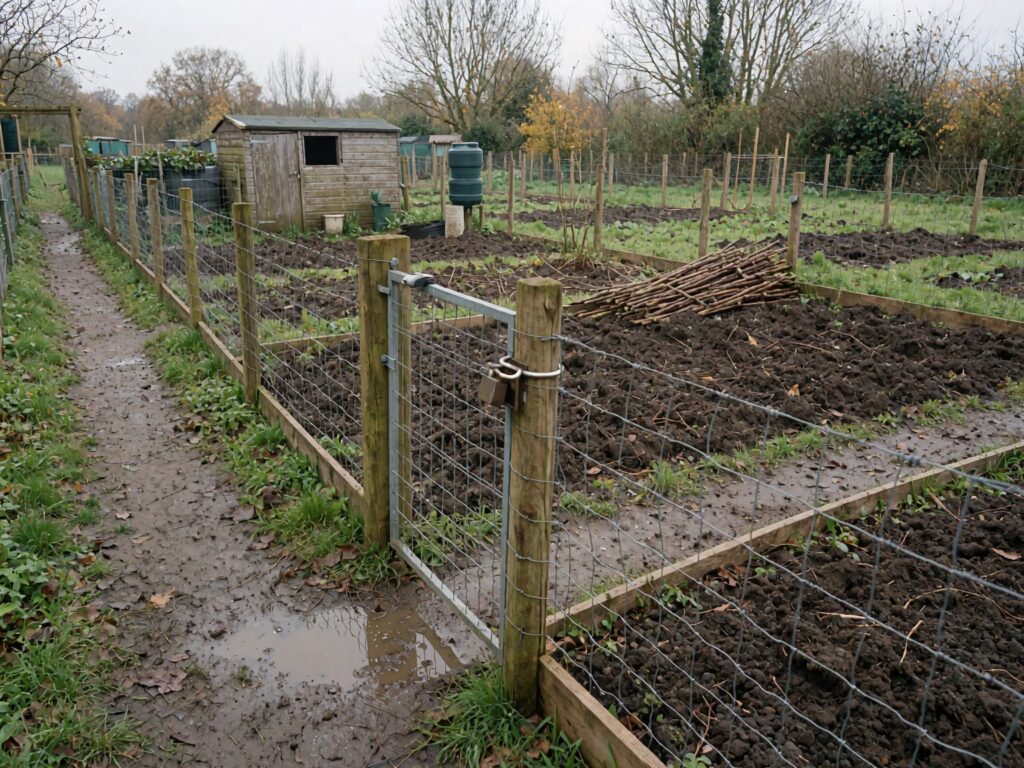
The honest answer to how much an allotment costs is: not much, not by the standards of anything else you do with a patch of ground. Most council allotments in Britain charge an annual rent that works out at well under the price of a single supermarket shop, sometimes a good deal less than that. The part that catches people out isn’t the money. It’s the queue. In plenty of places, especially where I used to live before High Intake, a full plot is harder to come by than the money to pay for it, and you can be waiting a year or two before a name comes free. I had an allotment on the edge of town myself, back when Whisky was still young enough to dig holes in it faster than I could fill them in. So here’s what it actually costs, where the wait comes from, and how to get your name moved up it.
What an allotment actually costs
Every council runs its allotments a little differently, which is part of why the figure you hear from one person never quite matches what your own council charges. The rent is the main cost, and it’s set per plot, usually billed once a year. Plots are still measured the old way on a lot of sites, in rods or poles, a unit left over from allotments’ Victorian beginnings. A full plot is traditionally ten rods, somewhere around 250 square metres, and many sites also let you take on a half plot for roughly half the rent and a more sensible amount of digging if you’re new to it.
On top of the rent, most sites ask for a returnable deposit, usually for a key to the gate or the communal shed, which you get back when you give the plot up in good order. Some sites meter water and charge for what you use over the growing season; others fold a flat water charge into the rent. Where there’s a site association running things rather than the council directly, there may be a small membership fee too, which usually covers public liability insurance for the site as a whole. Most councils also run a concessionary rate for pensioners and people on certain benefits, so it’s worth asking outright rather than assuming the standard rent is the only figure on offer. It’s also common for councils to charge a higher rate, or to restrict plots altogether, to people who live outside the borough, so check that you’re eligible for the sites near you before you get your hopes up about a particular one. Taken together, even a full plot at the ordinary rate tends to come in under what most people spend on one evening out a year, which is a fair part of why demand for them never really goes away.
How long the waiting list really is, and how to get on it
Waiting list length depends entirely on where you live, and there’s no getting round that. In a lot of rural areas and smaller towns you can be offered a plot within a few months, sometimes sooner if someone’s just given one up. In cities, and especially in areas where gardens are small or nonexistent, the wait can run to a year or two, occasionally longer for the most popular sites. The way onto the list is usually simple: contact your council’s allotment service directly, through their website or by phone, and ask to be registered. Most will ask you to confirm each year that you still want a plot, just to keep the list honest, so don’t be alarmed if a letter turns up asking whether you’re still interested.
Don’t assume there’s only one list worth joining. Most councils run several sites, and you can often register your interest in more than one, which shortens the odds considerably compared with holding out for a single favourite. It’s worth checking whether your parish council, rather than the main council, runs any plots nearby too, since smaller parish sites sometimes have shorter lists simply because fewer people think to ask about them. And if there’s a self-managed allotment association near you, running its own site independently of the council, go straight to them rather than waiting for the council’s page to mention it. Some of the shortest waits I’ve heard of came from sites exactly like that.
Moving up the list a little faster
A few things genuinely help, beyond just waiting your turn. Ring the site itself, if you can get a number for the site secretary or the officer who manages it, and ask whether there’s any flexibility, rather than only sitting on the central list and hoping. Plots that have gone unloved for a season or two are often harder to let than tidy ones, and being honestly willing to take on an overgrown plot and clear it yourself can move you up considerably faster than waiting for a well kept one to come free. The same goes for a half plot over a full one: if you’re newer to growing, or simply don’t have the time to fill ten rods in your first year, saying so can get you offered something sooner than holding out for the bigger plot.
Timing your application helps too. A lot of people only think about an allotment in spring, when the list swells, so putting your name down in autumn or winter, when fewer people are asking, can work in your favour. Turning up to an open day, a site working party or an association meeting, if the site runs one, also puts a face to your name, which tends to count for more than you’d think on a list that’s otherwise just names in order.
Your first year on the plot
Once you’ve got the key, resist the urge to dig the whole thing over in the first fortnight. Cover whatever you’re not using straightaway with cardboard, old carpet or a weed-suppressant membrane, and bring it into cultivation a bed at a time. The RHS and Garden Organic both recommend getting the soil right before you get ambitious with what you grow in it; a simple pH test and a good look at what weeds are already thriving there will tell you most of what you need to know about what the ground’s been missing.
Raised beds are worth building gradually rather than all at once, both for your back and your budget, and a communal compost bin, where the site has one, saves you carting your own around before you’ve even got a heap going. A water butt by the shed earns its keep quickly if your site meters water, and it’s one of the smaller costs that pays for itself within a season or two. More than anything, talk to whoever’s on the next plot. Every allotment site I’ve ever stood on has had at least one person who’s grown there for decades and will tell you, usually unprompted, exactly which corner floods and which crop the slugs leave alone. Nobody explains that in the paperwork.
None of it costs as much as people expect, and none of it happens as fast as people would like, but that’s about the truth of it. Put your name down, ask about more than one site, and treat the first year as getting the ground ready rather than feeding the whole street. I’ll be back with more on what to do once you’re actually stood on your own plot.
